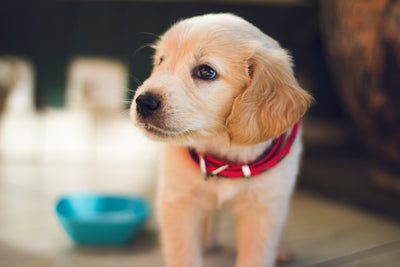
This is a very common question.
“Why does my dog lick my face?”
Most dog owners have asked it at least once—usually while laughing, wiping their cheek, or gently pushing a nose away. It feels affectionate, a little strange, and sometimes confusing.

If dogs could talk, we might hear things like:
-
“I’m glad you’re here.”
-
“You smell interesting today.”
-
“I want your attention.”
But dogs don’t use words. They use behavior, and licking is one of their most expressive ones.
Licking Isn’t Random—It’s Deeply Instinctive
Long before dogs lived with humans, wolf and wild dog puppies licked the faces and mouths of adult dogs. This behavior helped them:
-
Ask for food
-
Seek reassurance
-
Maintain social bonds
That instinct never disappeared. When domestic puppies lick their mother’s mouth or face, it’s a familiar, comforting behavior. When they lick humans, they’re using the same social language, just redirected toward us.
At its core, licking says:
“I’m friendly. I’m here. I want a response.”
Your Face Is Where the Most Information Is
To a dog, your face isn’t just your face—it’s a data center.
Human faces carry an incredible amount of sensory information:
-
Sweat (often salty)
-
Tears
-
Food traces from your last meal
-
Hormones linked to mood and stress
Dogs don’t just see emotions. They smell them.
When your dog licks your face, they may be trying to understand:
-
How you’re feeling
-
Where you’ve been
-
Whether you’re calm, excited, or stressed
It’s less like a kiss and more like reading a page of information.
Licking Is a Way to Maintain Connection
Dogs are social animals. They evolved to live closely with others—first with their own kind, and now with us.
Licking is one of the gentlest social signals a dog has. It’s often used to:
-
Show friendliness
-
Reduce tension
-
Invite interaction
When your dog licks your face and you smile, laugh, talk, or touch them, the message becomes clear:
“This works. This brings us closer.”
Over time, licking becomes a reliable way for your dog to reconnect with you.
Sometimes, It’s Simply About Attention
Dogs don’t separate “good” attention from “bad” attention the way humans do.
A reaction is still a reaction.
If licking your face makes you respond—even to say “stop”—your dog learns that this behavior opens the door to interaction. That doesn’t make it manipulative. It just means your dog understands cause and effect.
Licking Is Also Comforting—for Them
Licking releases endorphins in dogs, helping them relax. That’s why some dogs lick when they’re excited, overwhelmed, or trying to settle themselves.
In moments when you’re quiet, tired, or emotional, your dog may lick your face as a way to:
-
Calm themselves
-
Calm you
-
Re-establish emotional balance
Dogs are surprisingly sensitive to changes in our mood.
What Licking Is Not
It’s important to say this clearly:
Your dog is not trying to dominate you.
They are not confused about hierarchy.
They are not acting “out of control” by default.
Licking is a social behavior, not a power move.
Why Spending Time Together Outside Matters
Here’s something many people overlook:
When dogs don’t get enough shared experiences with us—especially outdoors—they often seek connection in the few ways they have access to.
Going outside together changes everything.
Walks, hikes, slow sniffing, shared environments allow dogs to:
-
Read your scent in motion
-
Learn how you react to the world
-
Build connection without needing constant physical contact
When dogs get to explore with you, they don’t need to crowd your personal space to feel close.
Connection happens naturally.
A Simple Way to See It
So the next time your dog licks your face, try seeing it this way:
Not as a habit to analyze.
Not as a behavior to label.
But as your dog saying:
“I want to know you better.”
“I want to be close.”
“Let’s share this moment.”
Sometimes, the best response isn’t pushing them away—
it’s grabbing a leash and going out into the world together.